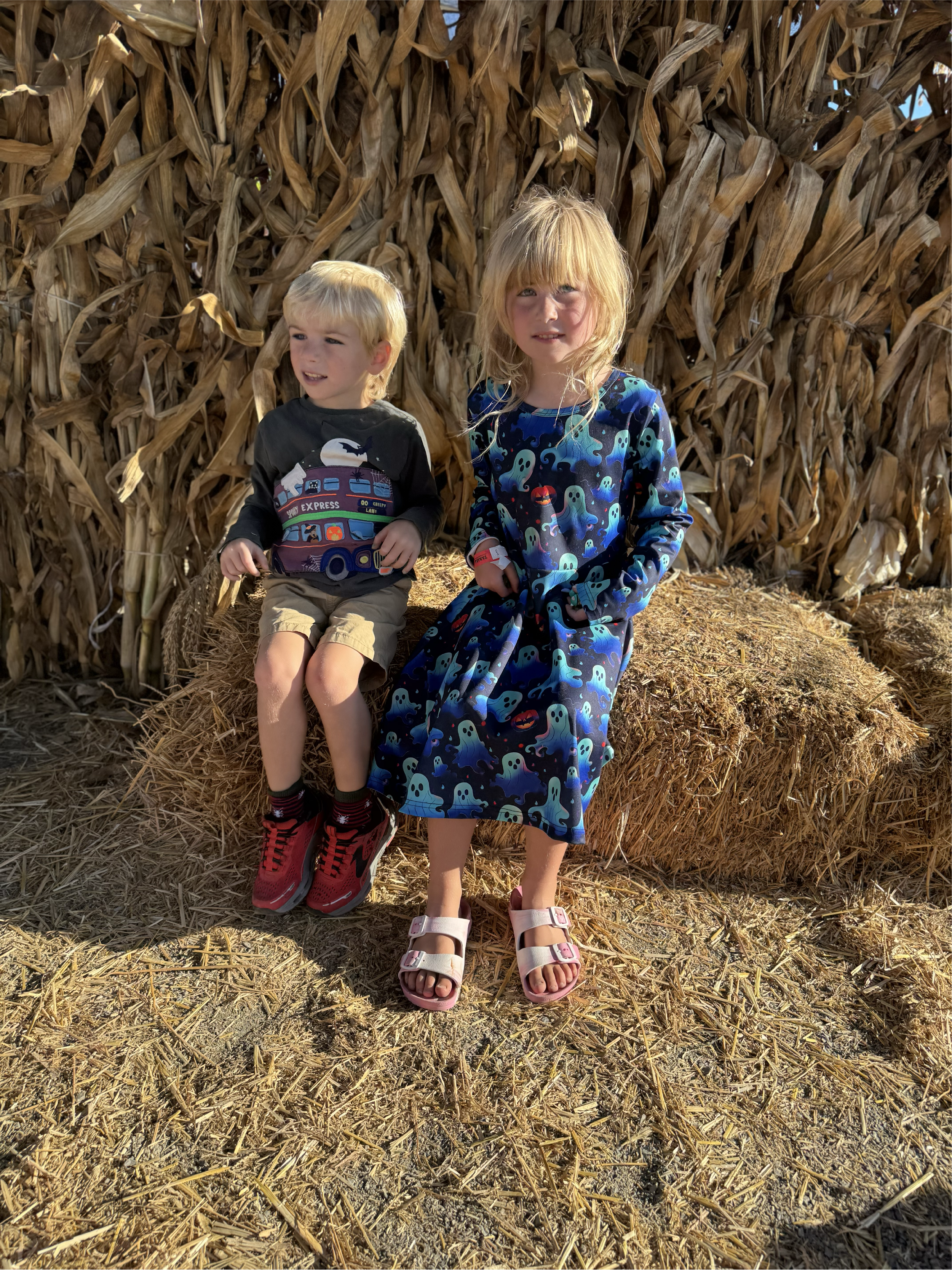
Christmas Day feels different this year.
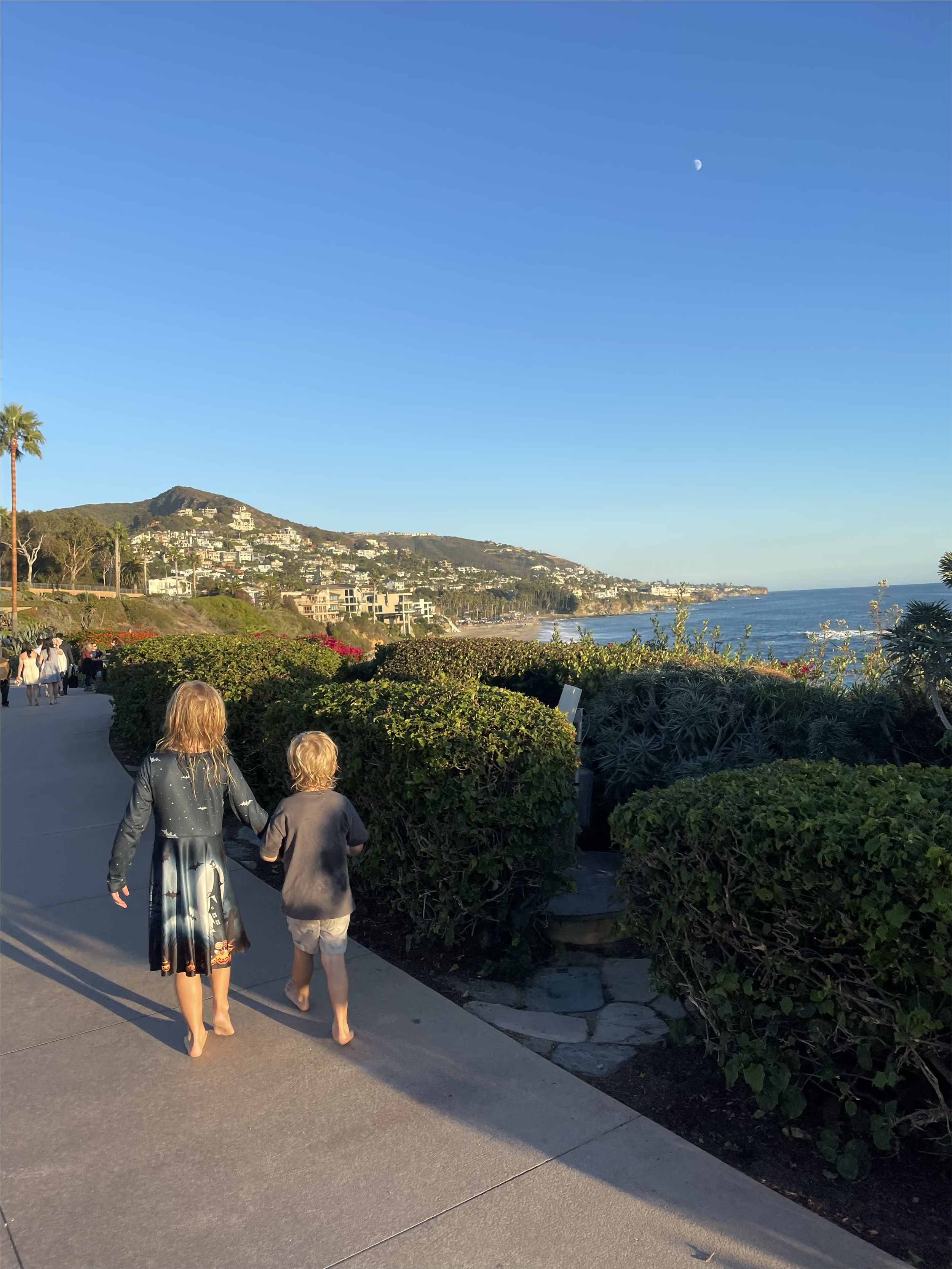
It’s Christmas Day, and we’re in the middle of a transition year—one that has asked our family to grow, grieve, and soften all at once. As we step into this next season, we’re choosing healing, presence, and hope.
Earlier this year, our daughter GG received a rare genetic diagnosis. She is currently the only known person in the world with her specific gene deletion. The gene involved, NAA15, plays a key role in neurological development and supports many systems throughout the body. In GG’s case, one copy of this gene does not function at all, resulting in haploinsufficiency.
Clinically, this has shaped her life in profound ways. She experiences significant motor and sensory challenges that affect her movement, coordination, initiation, and ability to speak. She also lives with autoimmune hepatitis, Crohn’s disease, level 3 autism (likely to need lifelong 1:1 24 hour support) and seizures. We are currently evaluating possible cardiac involvement, which has been seen in others with this genetic condition. While there are roughly 60 known cases worldwide of disease caused by this gene being impacted or impaired, GG’s presentation appears more severe, likely due to the complete loss of gene function early in the sequence.
Not long after receiving this diagnosis, something remarkable happened.
Through letterboard communication, GG gained the ability to express her inner world. After a few days of functional neurology work in an NYC clinic, she walked into a therapy room, selected her preferred letterboard, picked up a pen (to poke letters), and clearly showed us how she wanted to communicate.
For more than two years, GG had been working hard in structured spelling programs, learning the motor skills needed to point accurately. What we hadn’t realized was that she was ready for a different style—one that invited open-ended questions and used the specific board that best supported her motor planning. When she finally had access to that match—and the agency to decide—her voice burst through.
What she shared stunned us: frustration that her body doesn’t obey her commands, grief that “there’s no medicine,” and a fierce belief that she is “not slow and fearless.” She has spelled that she wants scientists to “engineer a new gene medicine,” and that she wants to become “an engineer” herself one day but that she desperately “needs help.”
Over the years, I’ve heard many generalizations about my daughter. One that comes up often is, “She doesn’t look like a mutation kid.” I’m not entirely sure what that means. She may not fit a stereotype, but that doesn’t lessen the urgency I feel to help her body produce more of the protein it needs to function.
We knew even before embryo implantation that GG did not have Fragile X. At the time, that was framed as reassurance. I don’t carry regret about the path that brought us here. I’m deeply grateful for the diagnosis, for the teams walking beside us, and for the communication tools that now allow GG to share her inner world.
We are now launching a research effort focused on NAA15 and a potential antisense oligonucleotide (ASO) therapy. While this work may ultimately help others with NAA15-related conditions, the approach we’re exploring—supporting a haploinsufficient gene—may represent a new path forward.
When I asked GG what she wanted for Christmas, she spelled:
“I want hope.”
We believe there is real promise—especially given her age and the remarkable neuroplasticity she continues to show—that an ASO discovery will completely change the trajectory of her disease. Our hope is to develop an ASO that will increase NAA15 protein and give her greater access to her body, her voice, and her life. In addition, it will slow and potentially stop the progression of the disorders that has been identified impacting multiple systems throughout her body.
Finally, if something about your child’s diagnosis doesn’t quite sit right with you, trust that instinct. For families beginning a journey in rare disease, whole genome sequencing can be a powerful tool in understanding your child more fully. We’ve had a meaningful experience with Rady Children’s Hospital in San Diego.
This space is where we’ll share our journey—what we’re learning, what we’re building, and what we’re hopeful for.